Linear attribution gives equal credit to all touchpoints in a customer’s journey, making it a fair way to evaluate your PPC campaigns. If your customers interact with multiple ads before converting, this model ensures every interaction is recognized. It’s particularly useful for longer sales cycles or omnichannel strategies where multiple platforms - like Google Ads, Facebook, and LinkedIn - play a role.
To make the most of linear attribution, you need tools that provide cross-platform integration, real-time reporting, and flexible attribution models. Here’s a quick overview of the best tools:
- Google Analytics 4: Free with strong Google Ads integration.
- Amplitude: Ideal for SaaS and in-app conversions.
- Twilio Segment: Centralizes data from multiple sources.
- Coupler.io: Automates data collection for custom analysis.
- Looker Studio: Simplifies data visualization.
Each tool offers unique strengths, from real-time insights to advanced reporting. Choose based on your team’s needs, budget, and technical expertise.
Google Ads Attribution Models Explained and Attribution Reports in Google Analytics
What to Look for in Linear Attribution Tools
When choosing a linear attribution tool, it's essential to find one that combines technical precision with actionable insights. This balance will help you optimize your PPC campaigns effectively. Below are the key features to consider before diving into specific tools.
Cross-Platform Integration
A good attribution tool should seamlessly connect with all the platforms where you run ads. Linear attribution only works when you track the entire customer journey, which means pulling data from platforms like Google Ads, Microsoft Ads, Facebook, Instagram, LinkedIn, TikTok, and more.
But integration isn’t just about collecting conversion data. The tool should also synchronize cost, bid, and campaign details across platforms, ideally in real-time or close to it. This ensures your spending data is always up-to-date, which is crucial for accurate attribution.
Take tools like Twilio Segment, for example. They act as central hubs, bringing together data from sources like Google Analytics 4, ad platforms, and messaging tools, then returning it as unified customer insights. Without this kind of comprehensive data capture, your attribution efforts may fall short.
Additionally, look for tools that integrate with CRM systems, landing page builders, and call tracking platforms. This ensures you capture the complete conversion path - not just website clicks. For PPC campaigns, tools that can push conversion data back into ad platforms are especially valuable. This allows algorithms to optimize bids and targeting based on real performance data.
Real-Time Reporting and Insights
Speed is critical in PPC optimization. The quicker your attribution data updates, the faster you can spot underperforming channels and make adjustments to bids, budgets, or creative elements before wasting resources.
Real-time dashboards provide up-to-the-minute insights into campaign performance and the contribution of each platform to conversions. For instance, if linear attribution shows that a particular touchpoint is undervalued in your current strategy, you can immediately shift your investment toward that channel.
Tools like RedTrack Relay stand out by pushing accurate conversion data back into platforms for instant algorithm optimization. This speed becomes especially important for high-spending or fast-scaling accounts, where delays in data updates can lead to missed opportunities and unnecessary costs.
The refresh rate of a tool can make a huge difference. Tools that sync cost data every few minutes offer a clear advantage over those with daily or weekly updates. For PPC campaigns with significant budgets, faster data updates can translate directly into better performance and cost savings.
Customizable Attribution Models
While linear attribution assigns equal credit to all touchpoints in a conversion path, not every campaign or business benefits from this one-size-fits-all approach. That’s why flexibility in attribution modeling is essential.
The best tools, like LeadsRx and Windsor.ai, allow you to choose from various models - such as first-click, last-click, or time-decay - depending on your goals. This adaptability is crucial because a strategy that works for brand awareness might not be suitable for conversion-driven campaigns.
Customizable models also let you extend lookback windows beyond the standard 7 days, which is particularly useful for B2B campaigns or high-ticket purchases with longer sales cycles. For example, a B2B lead might take weeks or months to convert, and capturing that entire journey is vital.
Additionally, your tool should offer features like lead filtering, custom value tagging, and tailored reporting. This ensures that your attribution models align with your specific business metrics and KPIs. The ability to exclude irrelevant data and focus on quality inputs is key to maintaining accuracy.
With these criteria in mind, we’ll now explore the tools that meet these standards.
Top Tools for Linear Attribution in PPC
Now that you know what to look for in a linear attribution tool, let’s dive into some platforms that meet those criteria. These tools offer features tailored to the needs of marketers seeking accurate and actionable insights.
Google Analytics 4

Google Analytics 4 (GA4) supports multiple attribution models, including linear attribution, and integrates seamlessly with Google Ads. It consolidates data across channels and allows customizable lookback windows of up to 90 days. However, if you're working with non-Google platforms, you may need third-party solutions to bridge the gap.
While GA4 offers powerful capabilities, its learning curve can be steep. Setting up custom attribution models often requires familiarity with exploration reports and conversion path analysis. For marketers managing complex campaigns across multiple platforms, GA4 is best used as part of a larger attribution ecosystem rather than as a standalone option.
Amplitude
Amplitude is well-suited for SaaS businesses and digital products, especially those with in-app conversions. It tracks granular user interactions, enabling detailed behavioral cohort analysis that links marketing touchpoints to user activation and retention.
One of Amplitude’s standout features is its behavioral cohort analysis. This allows you to segment users by their actions and understand how different marketing channels contribute to key outcomes like retention and revenue. While real-time reporting is a plus, integrating Amplitude with major ad platforms often requires technical expertise. That said, for product-led growth campaigns, it excels at identifying which channels attract highly engaged users.
Twilio Segment
Twilio Segment acts as a central hub for customer data, unifying information from various sources like Google Analytics 4, ad platforms, CRMs, and email tools. This single customer view helps eliminate data silos, ensuring that every interaction - from a Google Ads click to a Facebook retargeting ad - is tied to one profile.
Segment also enables bidirectional data routing, meaning conversion data can be sent back to ad platforms. This helps their algorithms optimize campaigns based on a complete view of the customer journey. While the initial setup requires technical expertise, Segment provides a reliable way to aggregate and manage data across your marketing channels.
Coupler.io
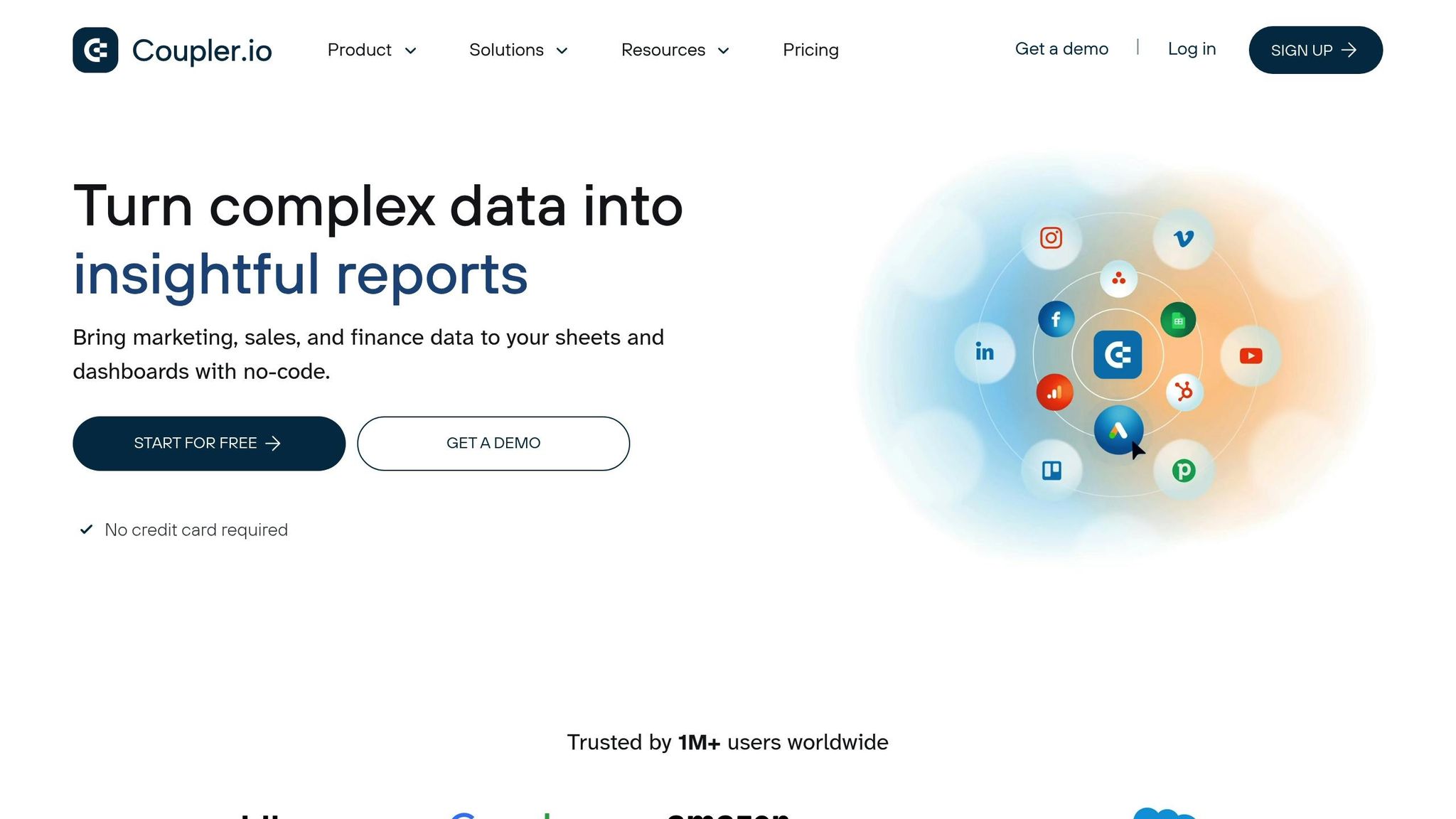
Coupler.io simplifies data collection by automating the extraction process from platforms like Google Ads, Facebook Ads, and LinkedIn Ads. This ensures you always have up-to-date data from your PPC campaigns in one place, eliminating the need for manual exports.
Users praise Coupler.io for its efficiency. For example, Mailtrap reported a 4.66x revenue increase thanks to better data integration, Tradezella improved customer retention by 2.5x, and Xray.Tech saved 50 minutes per client on billing through automation. For linear attribution, Coupler.io provides the data you need for analysis via spreadsheets or business intelligence tools - without requiring costly enterprise solutions.
Looker Studio

Looker Studio makes it easy to visualize attribution data through customizable dashboards. It connects directly with platforms like Google Ads and GA4, and for non-Google data, you can use third-party connectors like Coupler.io.
Its drag-and-drop interface lets you create charts that show how linear attribution credits touchpoints, compare channel performance, and track attribution trends over time. Best of all, it’s free for most users, making professional-grade reporting accessible to businesses of any size.
Next, we’ll compare these tools side by side to help you choose the best fit for your needs.
sbb-itb-89b8f36
Tool Comparison
Choose a tool that aligns with your needs for functionality and integration within your marketing systems.
Comparison Table
| Tool | Attribution Model Support | Integration Options |
|---|---|---|
| Google Analytics 4 | Supports linear attribution and other models like data-driven approaches | Native integration with Google Ads and other Google services |
| Amplitude | Offers linear and customizable attribution models based on behavioral data | Requires technical setup for incorporating ad data |
| Twilio Segment | Uses unified customer data for linear attribution analysis | Connects with various marketing and analytics tools |
| Coupler.io | Provides raw data for attribution analysis | Integrates with popular advertising platforms |
| Looker Studio | Visualizes attribution data from connected sources | Connects with Google products and supports additional connectors |
The table gives a quick overview of each tool's attribution model support and integration capabilities. Here's a closer look at what makes these tools stand out:
- Google Analytics 4: A powerful choice for marketers using Google Ads, it combines advanced data capabilities with seamless integration into the Google ecosystem.
- Amplitude: Perfect for those needing deep insights into user behavior, it offers customizable attribution models but requires some technical know-how to set up.
- Twilio Segment: Centralizes data from multiple sources, making it easier to analyze cross-channel attribution in one place.
- Coupler.io: Focuses on exporting raw data for custom analyses, giving you the flexibility to use your preferred BI tools for attribution.
- Looker Studio: Simplifies data visualization with its drag-and-drop interface, turning complex attribution data into clear, interactive reports.
For the best results, you might consider combining these tools. By integrating data collection, flexible modeling, and interactive visualization, you can gain a more comprehensive understanding of your campaign performance. This approach helps you make better decisions and optimize your marketing strategies effectively.
How to Choose the Right Tool for Your PPC Strategy
Selecting the right tool for your PPC strategy involves aligning it with your team's skills, budget, and growth objectives. The right choice ensures you avoid wasting resources while gaining clear insights to drive both current performance and long-term success.
Key Factors in Tool Selection
Start by listing all the platforms your team currently uses - such as Google Ads, Meta, TikTok, LinkedIn, CRM systems, email tools, and analytics platforms. The attribution tool you choose should integrate seamlessly with these, ensuring accurate credit distribution across touchpoints. For example, Coupler.io supports over 60 apps, making it an excellent option for teams managing diverse marketing stacks.
Consider your team's technical expertise when evaluating tools. If you don’t have dedicated data analysts or engineers, look for tools with an intuitive setup process. User-friendly platforms are especially helpful for smaller teams. For instance, Google Analytics 4 paired with BigQuery offers powerful enterprise-level features but comes with steep technical requirements, including tagging, data governance, and setup expertise.
Another critical factor is how frequently the tool refreshes data. Tools with minute-level data updates allow for quick campaign adjustments. In contrast, platforms like Windsor.ai may refresh data less frequently, meaning shifts in metrics like costs or ROAS might not be immediately visible.
Budget is also a major consideration. High-quality attribution doesn’t always require a hefty price tag. For example, Google Analytics 4 offers free event-based tracking, and Looker Studio provides free data visualization. Coupler.io positions itself as an affordable alternative, delivering robust attribution features without significant upfront costs. When evaluating costs, don’t forget to factor in setup, training, and ongoing maintenance.
Flexibility in attribution models is another must-have. Platforms like LeadsRx offer seven different models, letting you experiment with approaches like linear, time-decay, or position-based attribution to see what best reflects your conversion patterns. This adaptability becomes especially valuable as your understanding of customer behavior evolves.
Implementation timelines and resource requirements can vary widely. Some tools, like Coupler.io and Looker Studio, are relatively quick to set up, delivering insights in a matter of weeks with minimal technical demands. On the other hand, tools like Google Analytics 4 may require weeks of setup to ensure proper event tracking and functionality.
Beyond technical features, robust vendor support is crucial for long-term success. Look for platforms offering multiple support channels, quick response times, and availability during your business hours. Google Analytics 4, for example, benefits from a wealth of third-party tutorials and active community forums, while other tools may have more limited support. Reading user reviews and case studies can also provide valuable insights into how well a tool performs in real-world scenarios.
Scalability and Long-Term Fit
Your tool should not only meet your immediate needs but also grow with your business. As your campaigns become more complex, you’ll need a platform that can handle increasing data volumes, additional marketing channels, and more advanced attribution models.
For enterprise-level operations, Google Analytics 4 with BigQuery is a solid choice, as it can process large volumes of raw data for in-depth analysis. Similarly, platforms like Amplitude and Twilio Segment are designed to expand alongside your user base and marketing channels, allowing for seamless integration of new data sources and models as your needs evolve.
Extended lookback windows are another feature to consider, especially for businesses with longer sales cycles. For instance, LeadsRx includes an "Attribution Time Machine" feature, which allows teams to analyze how early campaigns influence later conversions. Likewise, Wicked Reports offers customizable attribution models and extended lookback periods, making it easier to assess the long-term impact of your campaigns.
It’s also worth examining the vendor’s commitment to future updates and innovation. Tools that regularly introduce new features, integrations, and attribution capabilities are better equipped to support your growth. For example, platforms that evolve from basic reporting to predictive modeling and real-time optimization can provide more value as your team matures.
If you anticipate needing cross-network automation in the future, prioritize tools with server-side conversion data integration. Platforms like RedTrack offer features like Relay, which feeds clean performance data back into ad platforms. This can lead to smarter bidding strategies and more accurate targeting by ensuring ad platforms optimize based on the most complete data available.
Finally, decide whether you need an all-in-one platform or prefer a custom stack. Comprehensive platforms are convenient and quicker to implement, while custom stacks (like combining Segment with Looker Studio) offer greater control but require more technical expertise to manage.
Make sure the tool complies with data privacy regulations relevant to your operations, such as GDPR for Europe or CCPA for California. With increasing scrutiny on first-party data tracking and cross-domain attribution, strong compliance features are essential to protecting your business and maintaining trust with your customers.
Conclusion
Linear attribution offers PPC teams a clear and balanced way to evaluate how each touchpoint contributes to conversions. This approach is especially useful for smarter budget decisions when managing campaigns across platforms like Google Ads, Meta, and Bing. The tools we reviewed demonstrate the range of options available to meet different needs.
Each tool brings its own strengths to the table. Google Analytics 4 is a free option with seamless integration for Google Ads. Amplitude and Twilio Segment stand out for their advanced user analytics and real-time cross-channel data capabilities. For those on a tighter budget, Coupler.io is a strong contender, while Looker Studio excels in offering free, customizable data visualization.
When choosing an attribution tool, focus on features like cross-platform integration, which ensures all your advertising channels, CRMs, and analytics platforms work together seamlessly. Real-time data is crucial for making quick campaign adjustments, while customizable attribution models with extended lookback windows are invaluable for understanding how earlier campaigns influence later conversions - especially in longer sales cycles. The ideal tool should scale with your business, handling growing data demands and supporting additional marketing channels as you expand.
FAQs
What makes linear attribution unique compared to other PPC attribution models?
Linear attribution takes a unique approach by assigning equal credit to every touchpoint in a customer's journey. Unlike models that emphasize either the first or last interaction, this method values each step equally - whether it's a click on a search ad, a retargeting ad, or a display ad. By doing so, it provides a clearer picture of the complete path a customer follows before making a purchase or taking action.
For marketers running PPC campaigns across multiple platforms, linear attribution offers a balanced way to evaluate performance. Pairing this model with tools that support strong cross-platform integration can make it even more effective. If you're searching for solutions to streamline and refine your attribution strategies, resources like the Top PPC Marketing Directory can guide you toward tools designed to meet these needs.
What should I consider when using a linear attribution tool across multiple ad platforms?
When you're bringing a linear attribution tool into the mix with multiple advertising platforms, make sure it can handle cross-platform tracking without a hitch. It should be able to follow user interactions across platforms like Google Ads, Facebook Ads, and others, giving you a clear picture of how your campaigns are performing as a whole.
Look for tools that provide real-time data syncing and allow for customizable reporting. This way, you can track the impact of every touchpoint in the customer journey as it happens, empowering you to make quicker, smarter decisions.
Lastly, double-check that the tool plays well with your current tech stack and can handle the size and scope of your campaigns. This will save you headaches during setup and help avoid unnecessary delays.
Why is real-time data important for optimizing PPC campaigns with linear attribution?
Real-time data plays a crucial role in fine-tuning PPC campaigns. It gives you the ability to make quick adjustments based on how your campaigns are performing at any given moment. When using linear attribution - which spreads credit evenly across all touchpoints - having up-to-date insights is key to evaluating each interaction's contribution and tweaking your strategy as needed.
With real-time reporting, you can spot trends as they happen, adjust budgets to get the most out of your investment, and react swiftly to shifts in user behavior. This flexibility helps you boost ROI and keeps your campaigns competitive in fast-changing markets.