Keyword segmentation is the process of organizing keywords into smaller, themed groups to improve PPC campaign performance. Without it, campaigns can become chaotic, leading to wasted budgets and irrelevant ads. By grouping keywords based on factors like user intent, product categories, or funnel stages, you can create more targeted ads, control spending, and boost ROI.
Key Takeaways:
- What It Is: Dividing keywords into focused groups for better targeting.
- Why It Matters: Improves ad relevance, Quality Scores, and lowers costs.
- How to Do It:
- Group by intent (informational, navigational, transactional).
- Use match types (broad, phrase, exact) for control.
- Monitor performance metrics (CTR, CPC, conversions) regularly.
- Avoid over-segmenting or ignoring negative keywords.
Effective segmentation allows businesses to focus ad spend on high-performing keywords and create tailored campaigns that align with user intent. Start small by restructuring one campaign, and refine based on data for better results.
How to Segment Keywords in Google Ads
Core Principles of Keyword Segmentation
Building on the basics of segmentation, these principles help fine-tune your campaigns, especially in competitive U.S. markets.
Understanding User Intent
The first step is to align keywords with user intent. Queries typically fall into three categories:
- Informational: Searches with terms like "how to", "what is", or "guide."
- Navigational: Queries including "near me" or specific brand names.
- Transactional: Keywords featuring "buy", "price", or "coupon."
Dive into your search terms reports to identify patterns, then tag keywords based on intent. From there, create separate ad groups or campaigns for each category. Keeping intents separate ensures your ads remain relevant and targeted.
Once you've categorized by intent, the next step is to refine segmentation using keyword match types.
Grouping by Match Types
Organizing keywords by match type - broad, phrase, and exact - offers better control over performance and budget allocation:
- Broad Match: Casts a wide net, capturing a variety of search queries. Use this with strict themes and a solid list of negative keywords to avoid irrelevant clicks.
- Phrase Match: Strikes a balance between reach and precision, showing ads for searches that include your keyword phrase.
- Exact Match: Provides the most control, focusing your budget on searches that match your keyword exactly.
Start with broad match to gather data, then move high-performing terms to phrase or exact match for tighter control and greater efficiency.
Analyzing Performance Metrics
Metrics are your guide to understanding how well your keyword segments are performing. Focus on these key indicators:
- Click-Through Rate (CTR): A high CTR often signals strong ad relevance.
- Cost Per Click (CPC): Lower CPCs can reflect better alignment with user intent.
- Conversion Rate and Cost Per Conversion: These show how effectively clicks are turning into actions.
- Quality Score: A high score can lead to lower costs and better ad placements.
Review performance by keyword group and match type. For example, transactional keywords might consistently outperform informational ones, signaling where to focus your budget. If clicks aren't converting, it could mean your keywords, ad copy, or landing pages need adjustments.
Weekly reviews are essential. Split high-performing segments into dedicated ad groups for more tailored messaging, and consolidate low-volume ones to streamline efforts. Regularly update your negative keyword lists to filter out irrelevant traffic and prevent wasted spend.
How to Implement Keyword Segmentation
To create well-structured PPC campaigns, follow these steps and build on the core principles of segmentation.
Step 1: Conduct Keyword Research
Begin by compiling a master list of keywords from various sources. Use Google Ads Keyword Planner to gather search volume and estimated CPC data. Dive into your existing search term reports to find actual user queries. Tools like SEMrush and Ahrefs can provide competitive insights and help you identify gaps in your current keyword strategy.
Don't overlook analytics and CRM data - these reveal which terms are already driving results for your business. For competitive markets, especially in the U.S., analyze competitor ad copy and landing pages to uncover keywords they prioritize.
Once you have your initial list, clean it up. Eliminate duplicates, correct typos, and organize the data by adding columns for search volume, CPC, competition level, and match type. This enriched spreadsheet becomes your foundation for the next steps. Aim for a comprehensive list that includes informational, commercial, and transactional queries to ensure meaningful segmentation.
Before categorizing, clarify your campaign goals. Are you aiming for lead generation, direct sales, or booked consultations? Your goals will dictate how detailed your segmentation needs to be and the metrics you’ll prioritize. Also, document your target audience profiles, including geographic focus (states or cities), device preferences, and your budget range in USD. Understanding factors like potential impression share and bid limits early on will help you avoid surprises.
With a refined keyword list, you’re ready to move on to categorization.
Step 2: Categorize Keywords Based on Goals
Group your keywords into focused clusters based on funnel stages and user intent. For example:
- Informational queries like "how to choose running shoes" align with top-of-funnel awareness goals.
- Commercial phrases such as "best running shoes for marathons" fit the consideration stage.
- Transactional terms like "buy Nike running shoes online" match bottom-of-funnel conversion goals.
Label these clusters clearly - terms like "Research", "Comparison", and "Buy Now" work well. This helps ensure your ad copy, landing pages, and bidding strategies align with the user's readiness to convert. For instance, someone searching "what is PPC advertising" needs educational content, while "PPC agency pricing near me" signals a readiness to engage.
You can also layer in product or service categories to reflect how your business operates. For instance, keep keywords related to summer dresses separate from those for men’s trainers. This approach simplifies budget allocation and performance tracking. Additionally, consider audience segments, such as B2B versus B2C or enterprise versus small business, and geographic modifiers like city names or "near me" for more tailored targeting.
Pay attention to long-tail keywords like "affordable organic dog food delivery Chicago." While these have lower search volume, they often indicate higher purchase intent and come with lower CPCs compared to broader terms like "dog food." These high-intent queries can deliver strong ROI, so prioritize them in your segmentation.
Once your keywords are categorized, it’s time to structure your campaigns accordingly.
Step 3: Organize Campaign Structure
Your campaign structure should mirror your segmentation strategy. At the campaign level, separate by major objectives and constraints. Common splits include branded versus non-branded campaigns, search versus Performance Max, or distinct budget priorities. This setup simplifies reporting and allows for quick budget adjustments.
Within each campaign, create ad groups around tightly related keyword themes. Best practices suggest keeping ad groups small - typically 10 to 20 closely related keywords - so your ads remain highly relevant to all terms in the group. This approach often improves Quality Scores and overall campaign performance compared to larger, mixed ad groups.
Incorporate match type layering for greater control. Many advertisers separate broad, phrase, and exact match keywords into different ad groups or campaigns. Assign higher bids to exact match keywords for better control, while using broad match for discovery with more conservative budgets. This strategy allows you to analyze search term reports, refine negative keywords, and shift spending toward the most effective match types.
Use shared negative keyword lists to block irrelevant traffic, such as job seekers or DIY queries, across campaigns. Add more specific negatives at the ad group level based on search term analysis to prevent overlapping segments from cannibalizing traffic.
Document your campaign structure in a shared spreadsheet that outlines each campaign and ad group, including objectives, audience targeting, match type strategies, and keyword themes. This makes it easier for team members or stakeholders to understand the account. Regularly review performance - weekly or bi-weekly - to archive underperforming segments, split high-volume ad groups into smaller ones, and incorporate test results into future adjustments.
For larger accounts or expansions into new U.S. regions or product lines, specialized tools can simplify the process. The Top PPC Marketing Directory is a great resource for finding platforms that support keyword research, bid management, and performance tracking. It also highlights agencies and service providers skilled in managing large, segmented PPC accounts - ideal if you need expert help with complex rollouts.
sbb-itb-89b8f36
Common Keyword Segmentation Mistakes
Once you've structured your campaigns, steering clear of common segmentation blunders is essential to keep things running smoothly and effectively.
Over-Segmentation or Under-Segmentation
Striking the right balance with segmentation can be tricky. Over-segmentation can lead to overly specific ad groups that spread your budget too thin and leave you with insufficient data for optimization. On the other hand, under-segmentation groups together keywords with vastly different user intents - like "luxury hotels" and "cheap accommodations" - leading to ad copy that misses the mark. The key is to group a manageable number of closely related keywords and test ad copy to ensure it resonates. Regularly reviewing performance data will help you decide when to combine or split ad groups for better results.
Ignoring Negative Keywords
Skipping over negative keywords is like leaving the door open for irrelevant traffic. Without them, your ads could show up for low-value searches like "free software download", which not only drains your budget but also impacts your click-through rates and Quality Score. To avoid this, build and refine your negative keyword lists regularly. Use a mix of phrase and exact match types to filter out irrelevant queries effectively. Dive into your search term reports often to spot and block queries that don’t align with your campaign goals.
Failing to Monitor and Adjust
Keyword segmentation isn’t a "set it and forget it" process. Market trends shift, user behavior evolves, and seasonal patterns emerge - all of which can throw off your campaign if you’re not paying attention. Regularly track performance metrics and adapt your strategy to stay aligned with these changes. Keep an eye on new search patterns and adjust your keyword groupings or ad copy as needed. Setting alerts for major shifts in key metrics can help you respond quickly and maintain an efficient campaign structure.
Tools and Resources for Keyword Segmentation
Getting keyword segmentation right means having the right tools in your arsenal. With so many options out there, it’s easy to feel overwhelmed. But focusing on platforms that meet your specific campaign needs can save time and deliver better results.
Top Tools for Keyword Research and Analysis
To lay the groundwork for effective keyword segmentation, start with tools that cover the essentials. Google Keyword Planner is a go-to for understanding search volume and identifying keyword opportunities. Pair this with tools that analyze competitor strategies to find high-performing keywords and reveal gaps in your current approach.
Search term reports are another must-have. These reports show the exact queries triggering your ads, helping you uncover patterns. By analyzing these patterns, you can discover new opportunities for ad groups or identify negative keywords to exclude. Regularly exporting and reviewing these reports allows you to group similar queries and fine-tune your campaigns.
For ongoing performance tracking, bid management platforms are invaluable. These tools monitor metrics like cost-per-click, conversion rates, and Quality Scores, giving you real-time insights into your keyword portfolio. Additionally, analytics platforms that integrate with your PPC accounts can track user behavior on your site. This data helps you distinguish between keywords that attract engaged visitors and those that lead to quick exits, enabling you to focus on high-intent keywords.
How Top PPC Marketing Directory Can Help
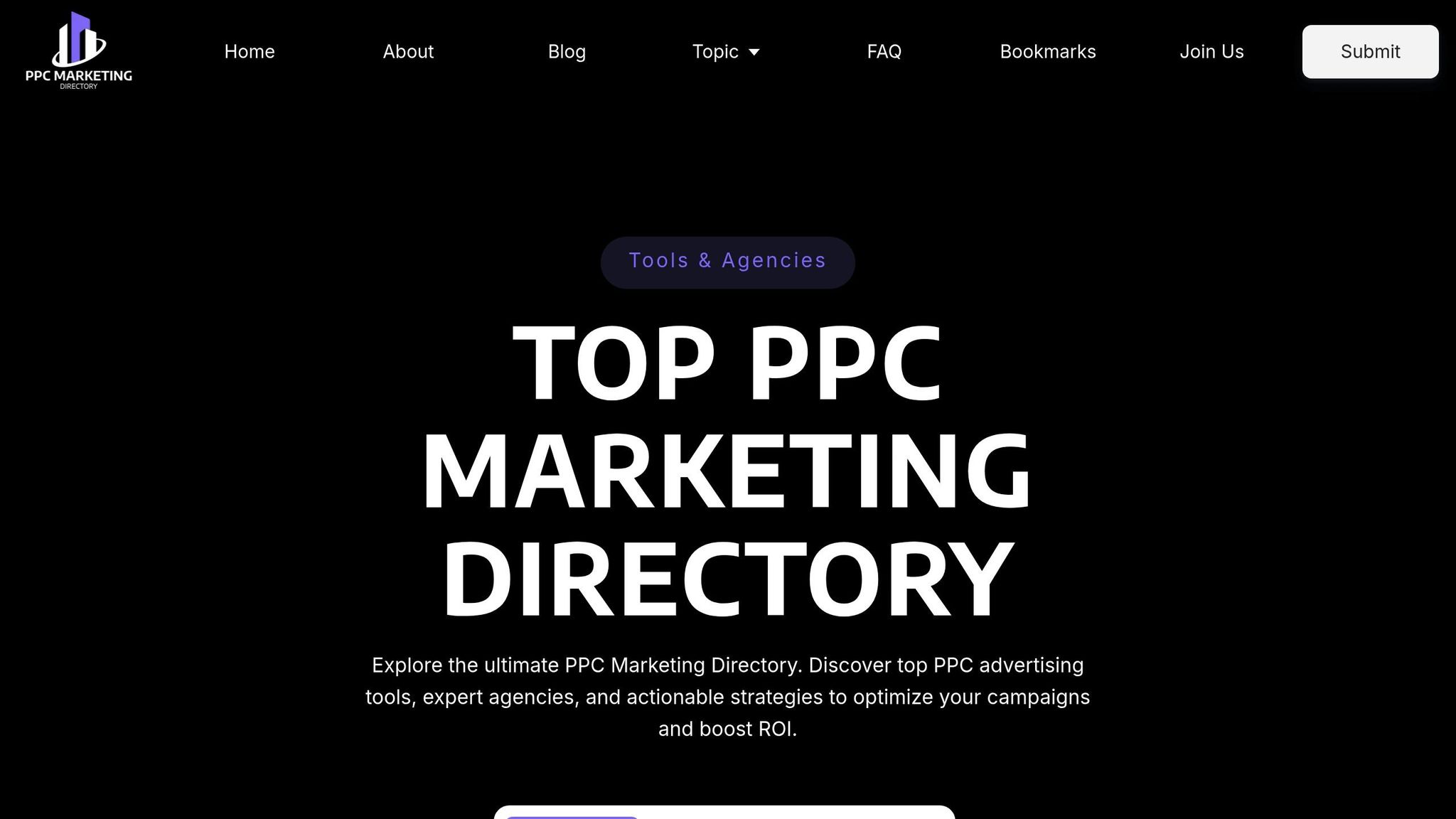
If choosing the right tools feels like a challenge, Top PPC Marketing Directory (https://ppcmarketinghub.com) can simplify the process. This platform curates the best PPC tools, agencies, and services, offering a one-stop resource for all your campaign needs.
The directory covers everything from keyword research and campaign management to bid optimization. Instead of spending hours comparing individual tools, you can browse vetted solutions tailored to your specific goals. Each listing includes detailed profiles with information on features, pricing, and use cases, making it easier to find tools that fit your budget, team size, and campaign complexity.
For those who prefer outsourcing, the directory also connects you with expert PPC agencies. These agencies bring industry-specific experience and can implement advanced segmentation strategies aligned with your objectives. With filtering options, you can quickly narrow down agencies based on their expertise, ensuring you find the right partner for your market.
Beyond tool discovery, the directory offers guidance on best practices for ad copy, A/B testing, retargeting, and landing page optimization. This comprehensive approach helps you build a cohesive PPC strategy rather than relying on disconnected solutions.
Staying updated on the latest tools and strategies is crucial for effective segmentation. With the directory, you can easily keep track of emerging platforms and new features, ensuring your campaigns remain competitive without the hassle of constant research.
Conclusion
Keyword segmentation plays a key role in boosting profitability. By organizing keywords into well-defined groups that align with user intent, you can create campaigns that achieve higher click-through rates, improve Quality Scores, and lower cost per click. The outcome? Smarter ad spending and a better return on ad spend (ROAS).
Start with thorough research, group keywords based on intent and goals, structure campaigns with focus, and keep refining based on performance. This isn’t a one-and-done task. Search behavior evolves, auction dynamics shift, and business priorities change. Think of segmentation as an ongoing process, not a one-time project. This approach ensures the foundation you’ve built remains strong and adaptable.
Data backs this up: detailed account structures often lead to better Quality Scores and lower CPC, which directly impacts ROAS. Case studies frequently show clear improvements when campaigns are restructured to segment keywords by intent, funnel stage, and even device.
Here’s a real-world example: A U.S.-based e-commerce store selling running shoes initially grouped all footwear-related keywords into one ad group. After restructuring into intent-focused segments with tailored ad copy and landing pages, they saw a higher CTR and a noticeable drop in cost per sale. The takeaway? Relevance is key to results.
If the idea of restructuring feels daunting, start small. Focus on one campaign - break out broad, phrase, and exact match keywords into clearer segments, or create a new ad group around a single high-intent theme with custom ad copy. You can also run a quick audit of your search terms to identify negative keywords and opportunities for tighter segmentation. These steps don’t require weeks of effort; an afternoon can deliver immediate improvements.
Avoid common pitfalls like creating overly granular segments that make optimization difficult or dumping too many keywords into broad ad groups that dilute relevance. A structured approach, combined with regular reviews - whether monthly or quarterly - ensures you can refine themes, add high-intent keywords, and adapt your strategy over time.
To make this process easier, take advantage of tools and resources. Platforms for keyword research, bid management, and directories like Top PPC Marketing Directory (https://ppcmarketinghub.com) can help you find solutions and partners to streamline segmentation and campaign planning. These resources simplify tool selection and provide expert support, making it easier to apply the strategies discussed here.
Teams that focus on intent-driven keyword grouping consistently create more relevant ads, earn better Quality Scores, and maximize their budgets compared to less organized competitors. Set a goal this week: conduct your first segmentation audit or restructure a key campaign. The payoff - lower costs and higher conversions - makes this one of the smartest moves you can make for your PPC strategy.
FAQs
How can I find the right balance when segmenting keywords for my PPC campaigns?
Finding the right balance with keyword segmentation means grouping keywords by shared intent, relevance, and how well they might perform. Going too far with segmentation can create messy data and make management harder, while not segmenting enough can weaken your ad targeting and relevance.
Begin by taking a close look at your campaign goals and how your audience behaves. Organize keywords into groups based on themes, product categories, or the intent behind user searches. Keep an eye on metrics like CTR (click-through rate), conversion rates, and CPC (cost per click) to see if any tweaks are needed. Thoughtful segmentation allows you to run more focused ads, make better use of your budget, and boost your campaign’s results over time.
What are the best practices for choosing and using negative keywords in PPC campaigns?
Negative keywords play a crucial role in fine-tuning your PPC campaigns by ensuring your ads don’t appear for irrelevant searches. Here’s how to make the most of them:
- Dive into keyword research: Regularly review search term reports to uncover irrelevant queries that might be triggering your ads.
- Get precise: Opt for exact match negative keywords to block specific terms without cutting off valuable traffic by being too broad.
- Keep your list fresh: PPC campaigns evolve, so make it a habit to revisit and update your negative keyword list to stay aligned with your current objectives.
By actively managing your negative keywords, you can boost ad relevance, cut down on wasted spend, and drive better results for your campaigns.
How often should I update my keyword segmentation to keep my PPC campaigns performing well?
To keep your PPC campaigns running smoothly, it's essential to regularly review and tweak your keyword segmentation. Ideally, you should aim to assess your campaigns at least once a month. However, for more complex or high-traffic campaigns, a weekly review might be more beneficial.
When analyzing performance, pay close attention to metrics like click-through rates (CTR), conversion rates, and cost per click (CPC). Use this data, along with insights into seasonal trends and changes in user behavior, to refine your segmentation. This approach helps ensure your campaigns stay relevant and deliver strong results.